Food, movement and rest in everyday life
A practical exploration of how everyday nutritional choices, natural physical steps, and evening recovery mechanisms fit seamlessly into standard urban habits without demanding exhausting efforts.
Mindful Eating and Natural Movement
Home Meals & Workspace Boxing: Preparing simple food at home helps control what you eat and reduces reliance on heavy processed items from quick delivery apps. Selecting whole grains, fresh leafy items, and seasonal vegetables from local markets (like Hala Mirowska or your neighborhood bazarek) allows for steady energy delivery rather than sharp afternoon slumps.
Hydration Support: Sipping water systematically assists digestive processes and helps separate actual thirst from standard desk boredom cravings. Keep an open carafe near your workstation as a visual reminder. This simple act is particularly beneficial when apartment radiators dry out the indoor air during the colder Polish months.
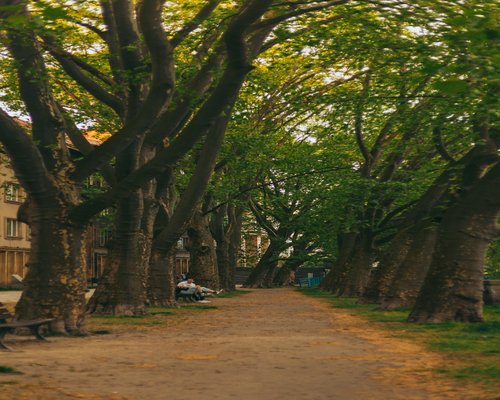
Walking in Local Parks: You do not need heavy, aggressive training schedules to maintain general physical wellbeing. Walking through spaces like Pole Mokotowskie in Warsaw or the Planty pathway in Kraków offers low-impact, accessible exercise that naturally supports cardiovascular function and clears mental fog.
Activity After Commuting: Exiting the local bus, tram, or metro one stop early provides an easy, automatic ten-minute stroll. This small physical habit fits seamlessly into daily schedules, creating reliable activity metrics without requiring a gym membership or specialized gear.
Rest After Work
True energy management requires effective end-of-day recovery. Developing a consistent evening sequence—such as turning off bright overhead lamps, reading a physical book instead of a tablet, and keeping your bedroom appropriately cool—assists the body's natural transition into a restful state.
Weekend Balance
Weekends provide an ideal framework for resetting compressed weekly schedules. Planning quiet outings to nearby lakes, exploring small Polish countryside towns, or taking calm bicycle rides along designated river paths completely shifts your sensory inputs away from office environments.